The woods and meadows around us hold an astonishing larder — food and medicine both. Pick a plant or mushroom to jump to what it's for, how we gather it, what to avoid, and a printable guide to take to the field.
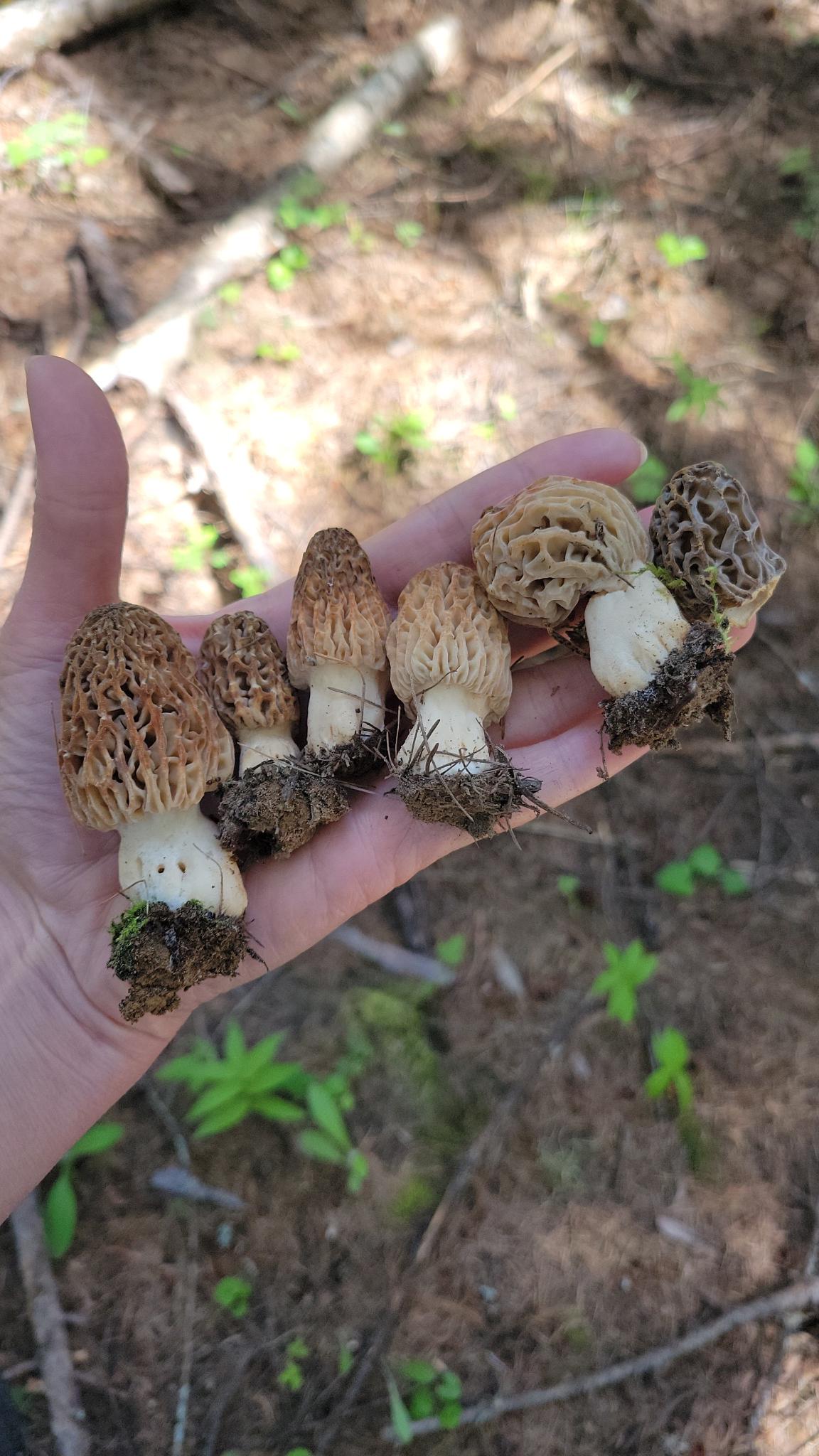
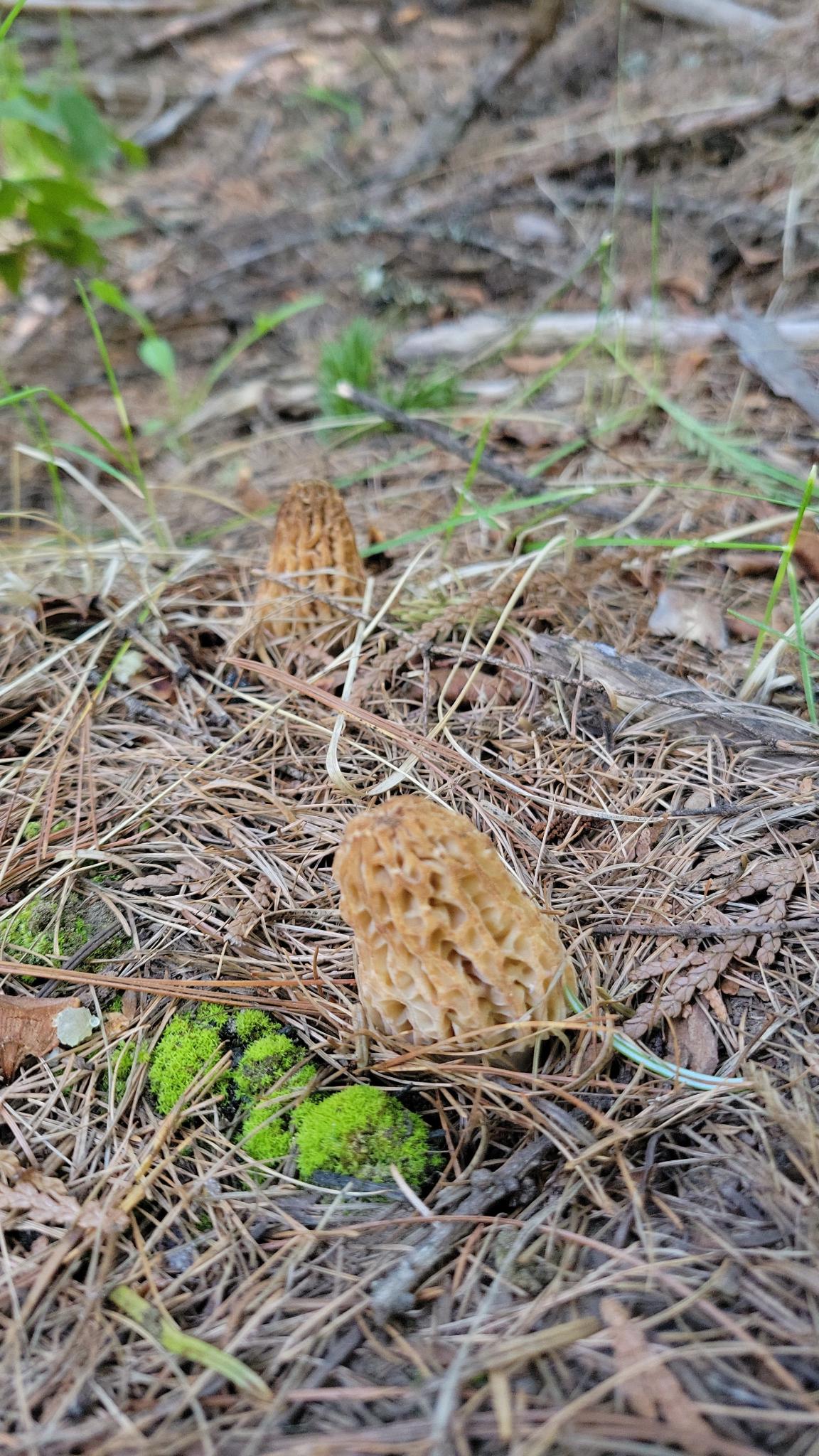
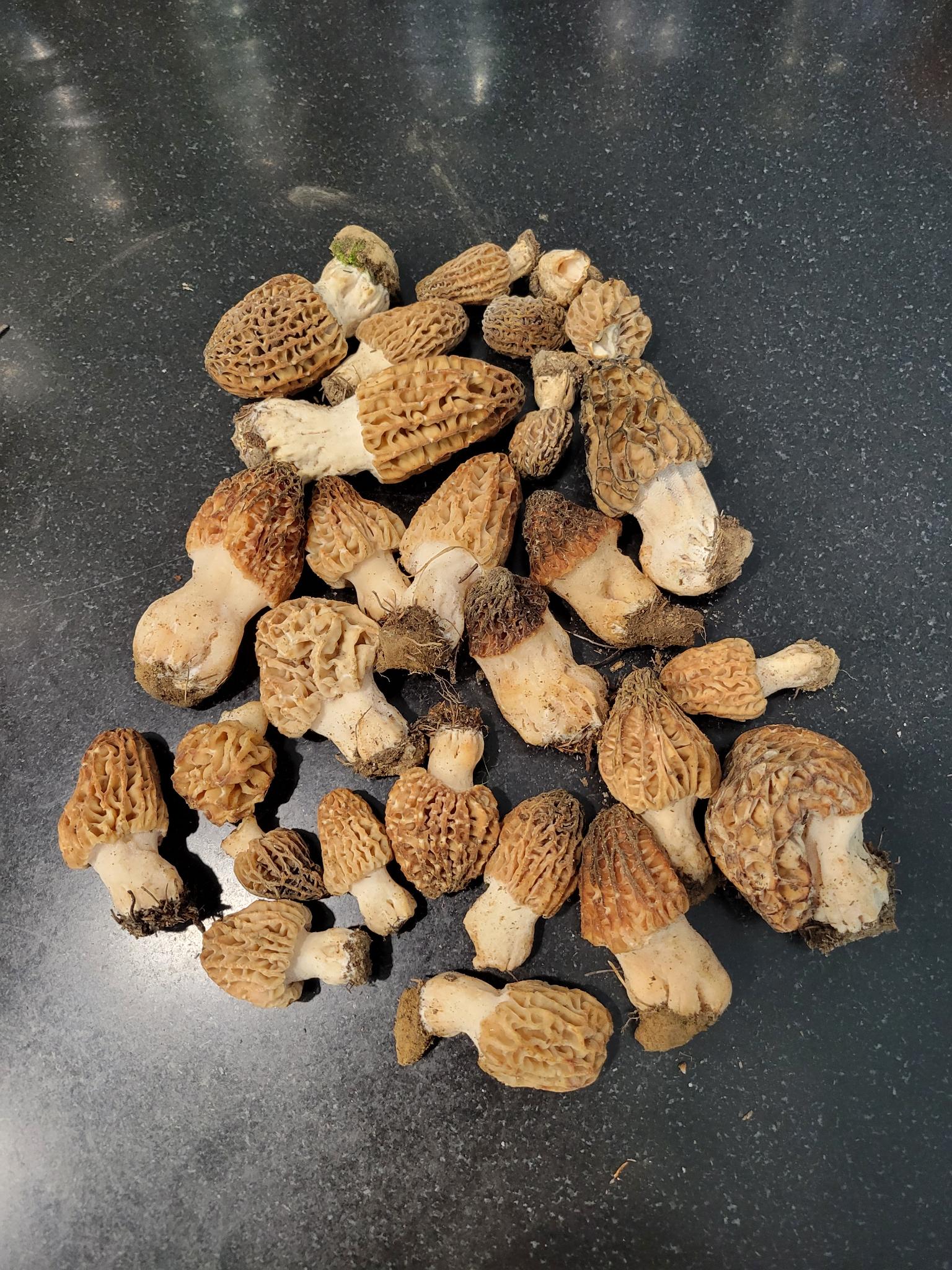
Spring's most-prized find. Morels push up in old burn sites, cottonwood bottoms, and aging apple stands from late April through May, right as the soil warms and the lilacs bud.
We hunt them by eye, cut them at the base to leave the root, and always cook them through — never raw. A true morel is hollow from tip to stem.
Good in the kitchen
Rich, nutty, meaty flavor
Dries & stores beautifully
A classic in a simple butter sauté
Caution — Always cook thoroughly; confirm a hollow interior to rule out false morels.
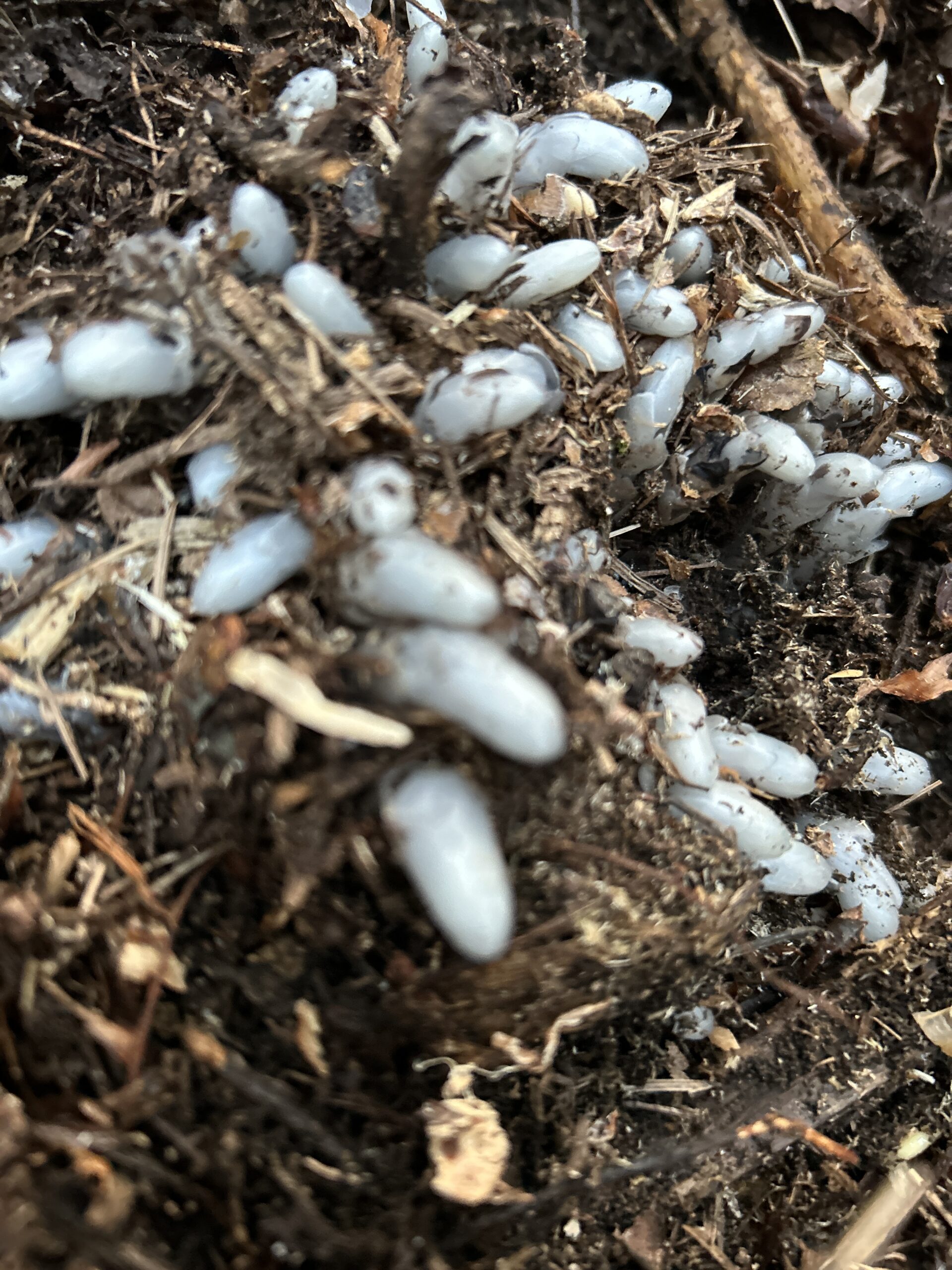
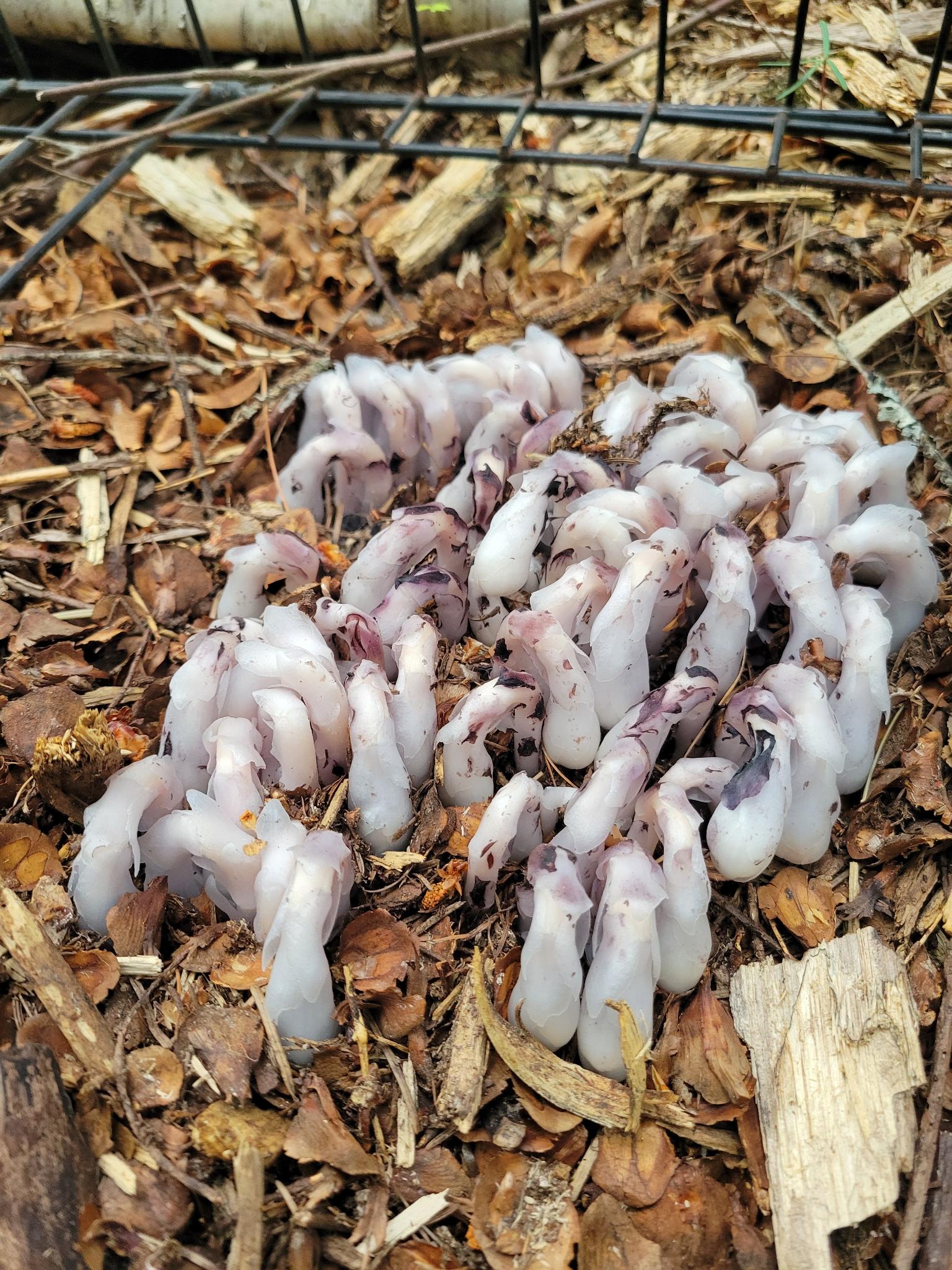
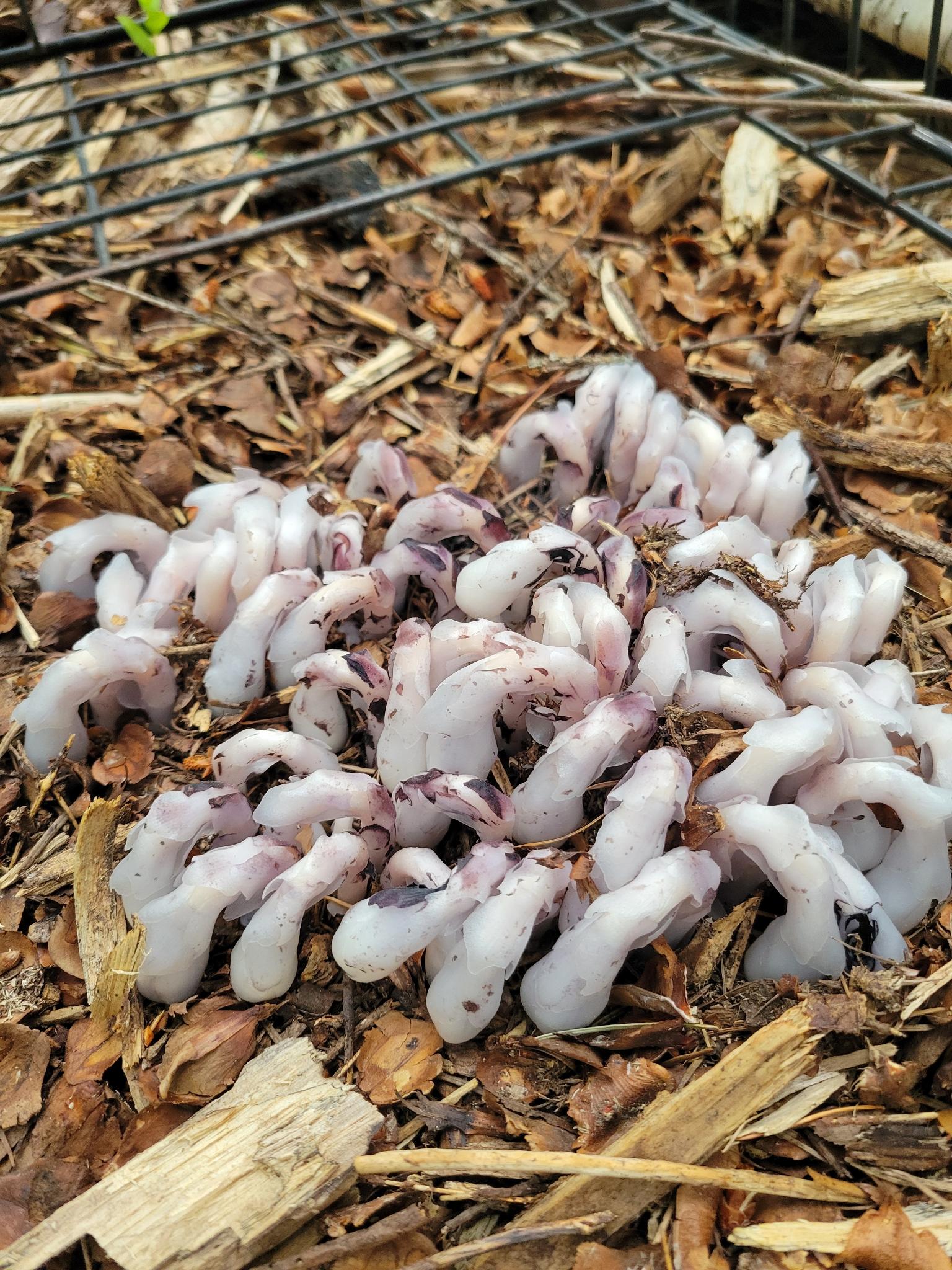
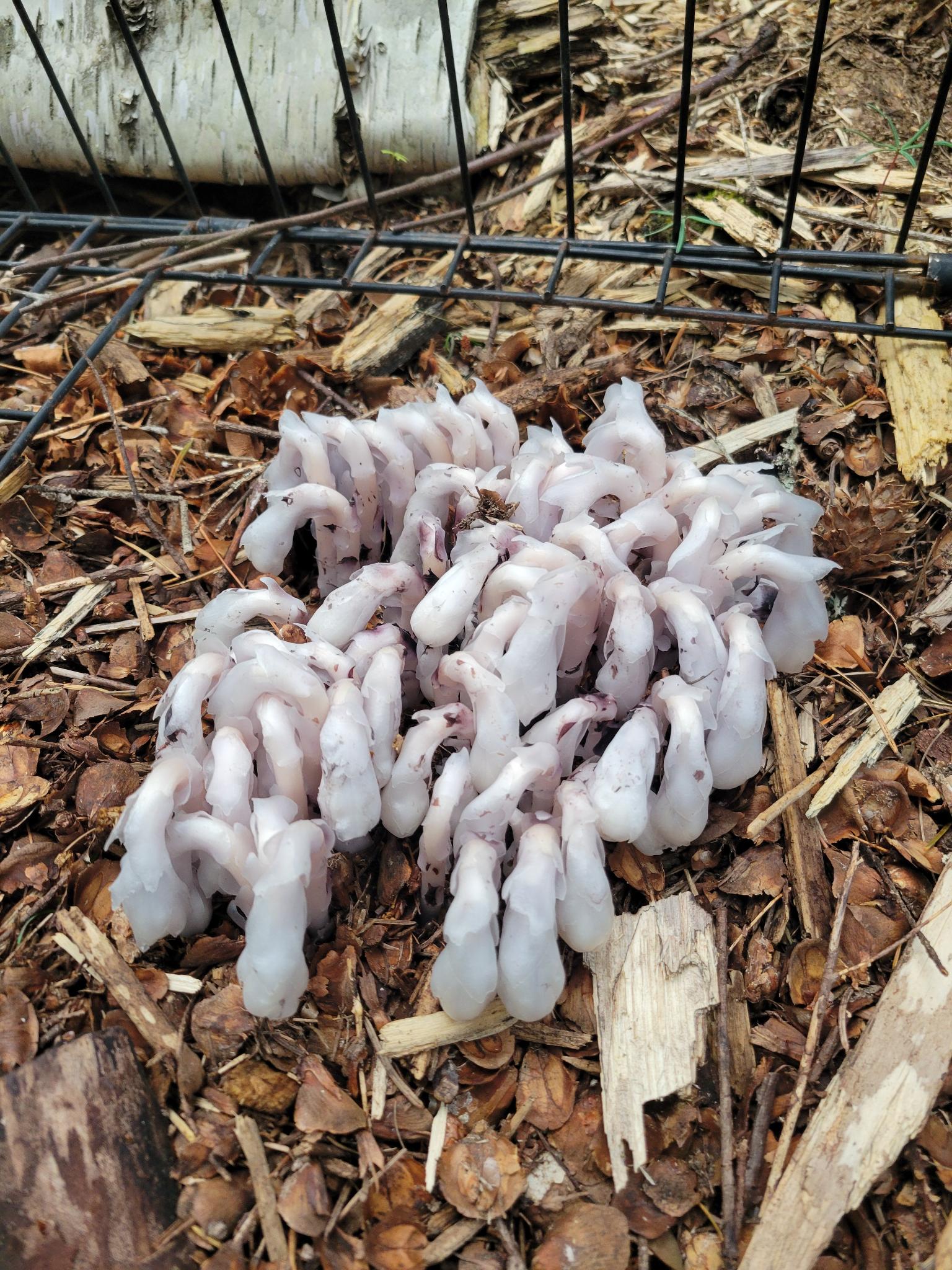
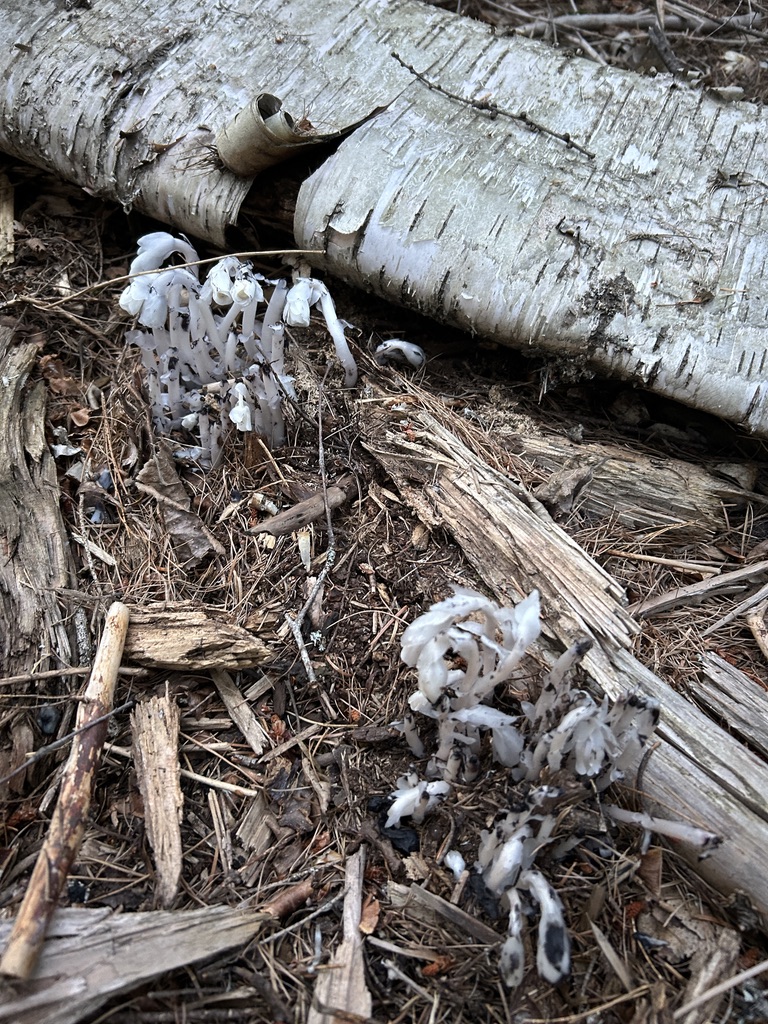
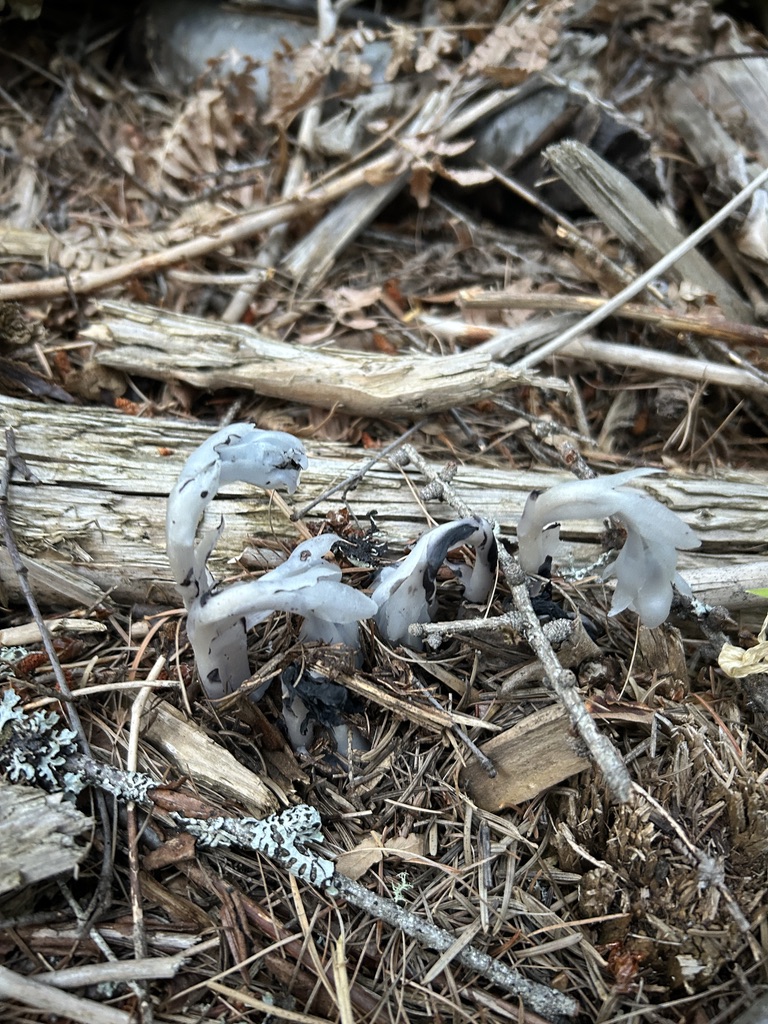
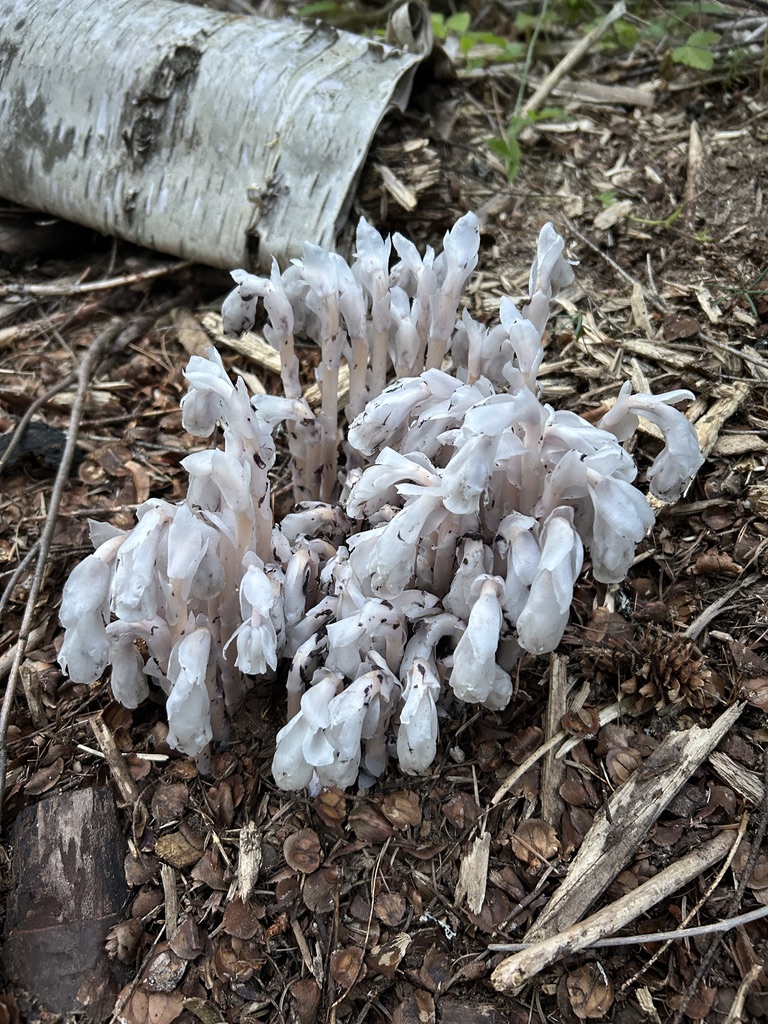
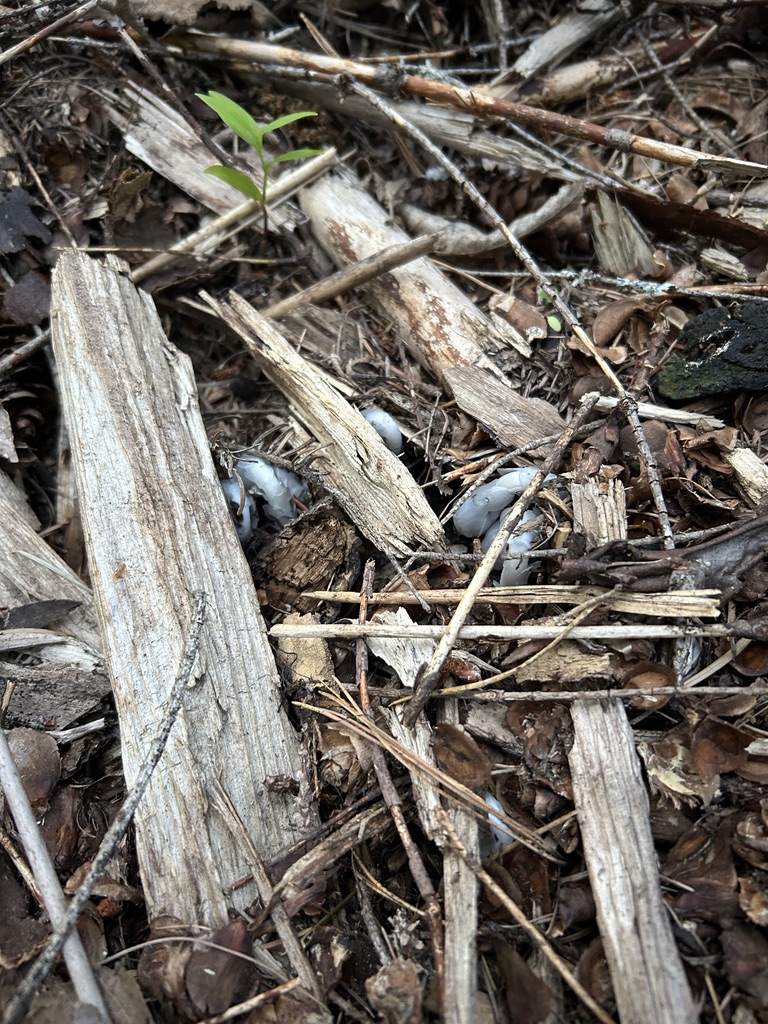
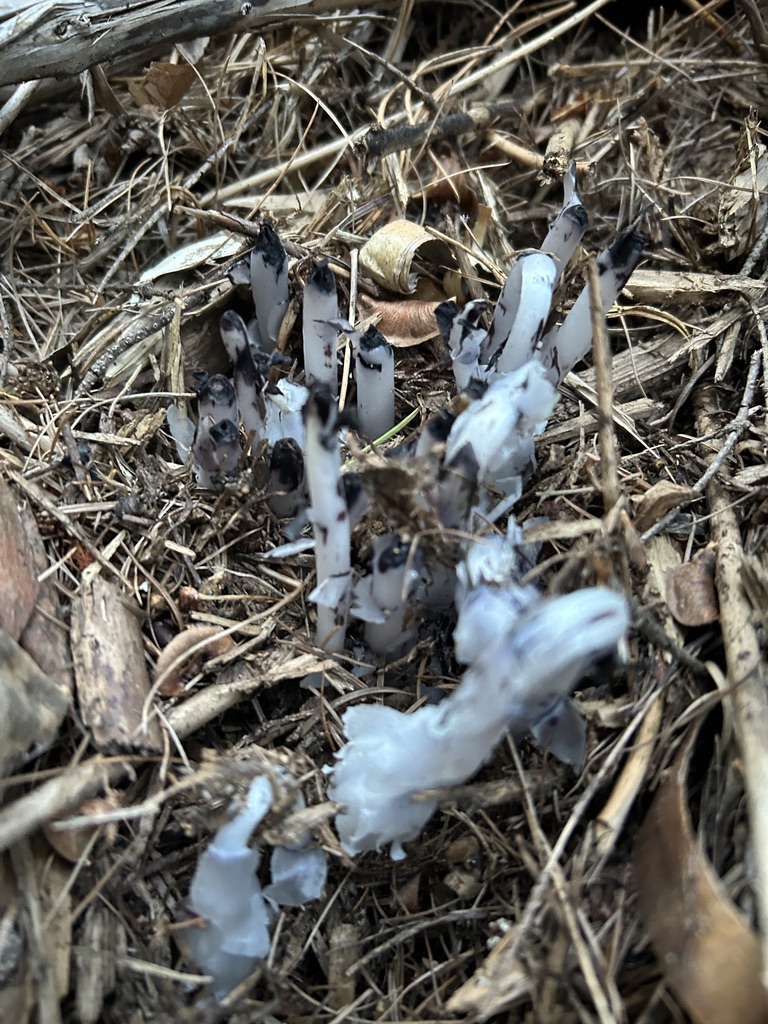
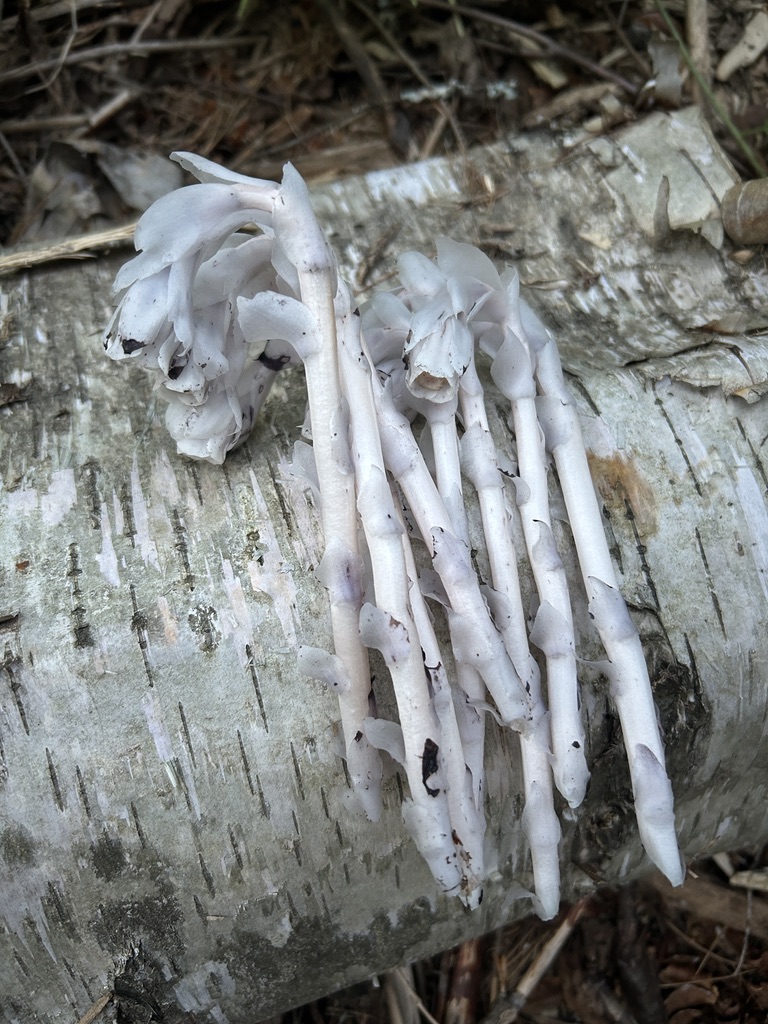
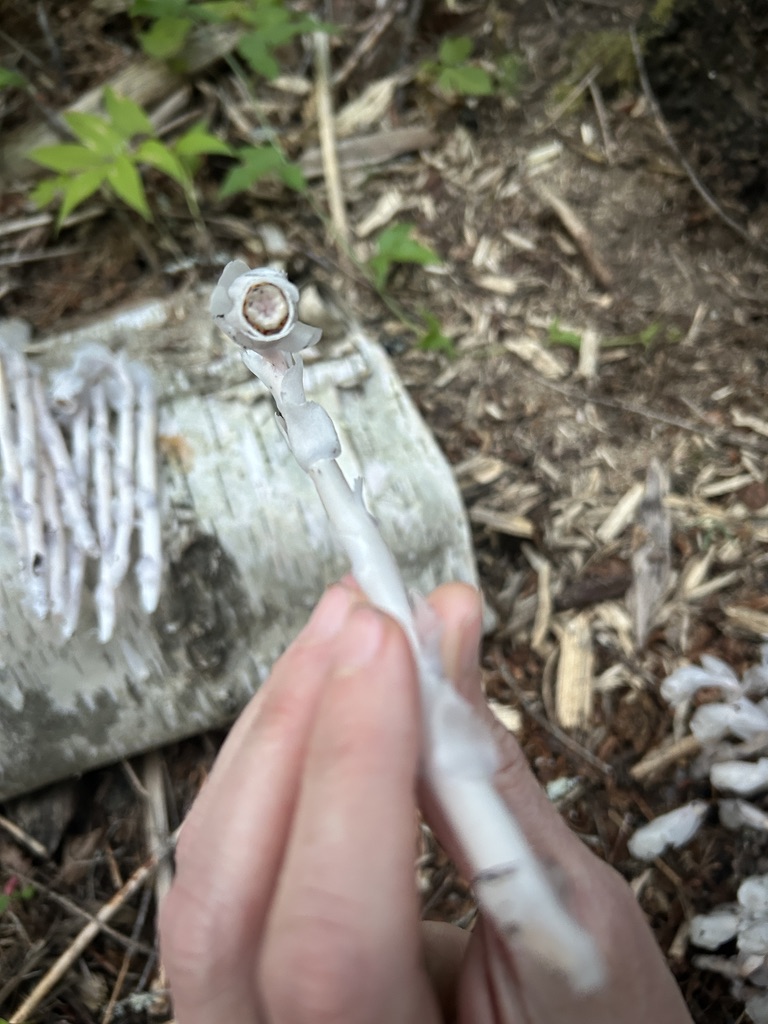
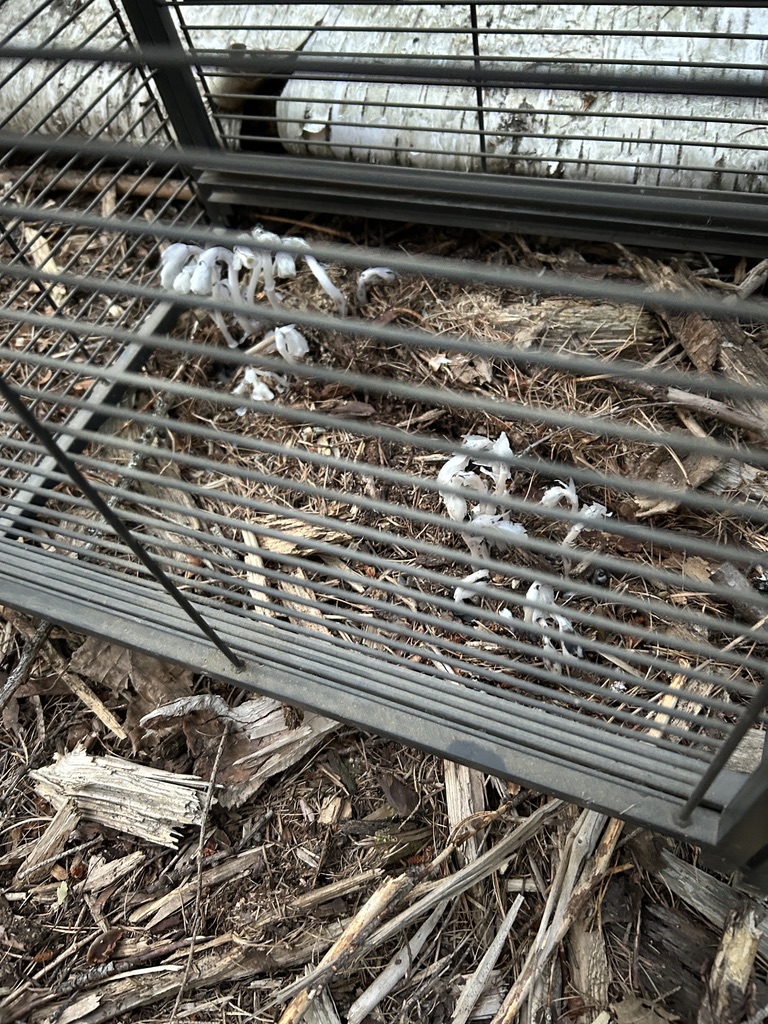
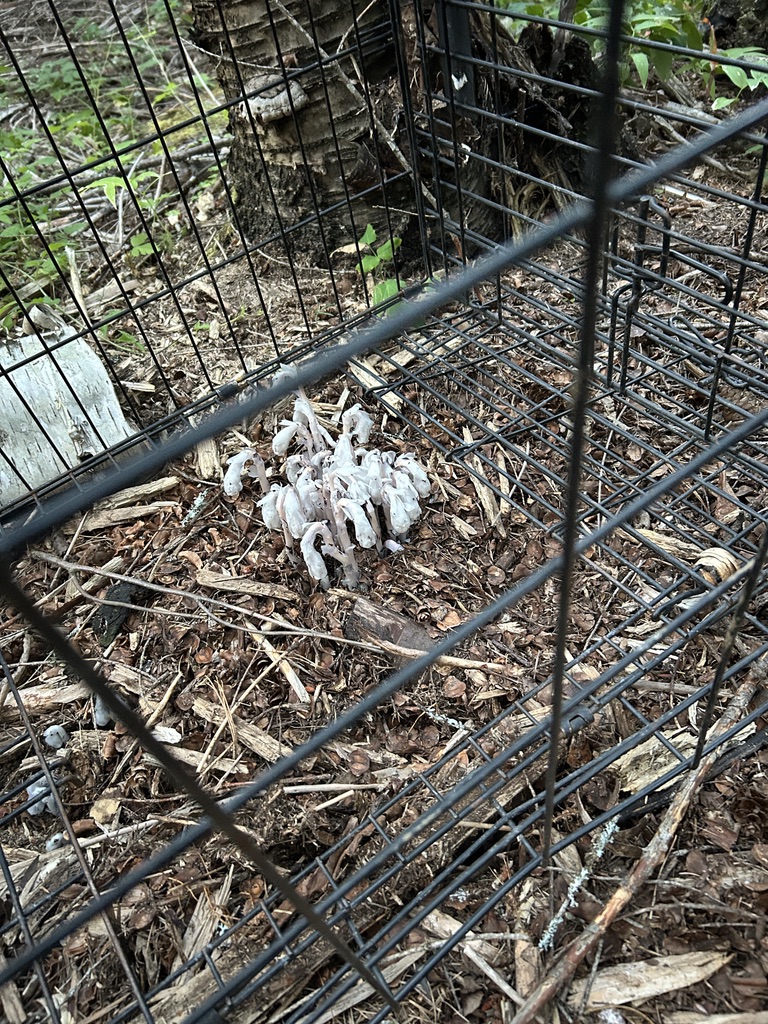
Ghostly white and entirely without chlorophyll, ghost pipe rises from the deep, shaded duff of old timber in the heat of midsummer. It blackens quickly once picked, so we tincture it fresh, on the spot.
We take only a few stems where it grows thickly, and never the whole stand — it's slow to return and deserves respect.
What it's good for
Easing sharp, acute pain
Calming nerves & anxiety
Quieting a restless mind for sleep
Caution — Potent; use only in small, considered doses and harvest respectfully.
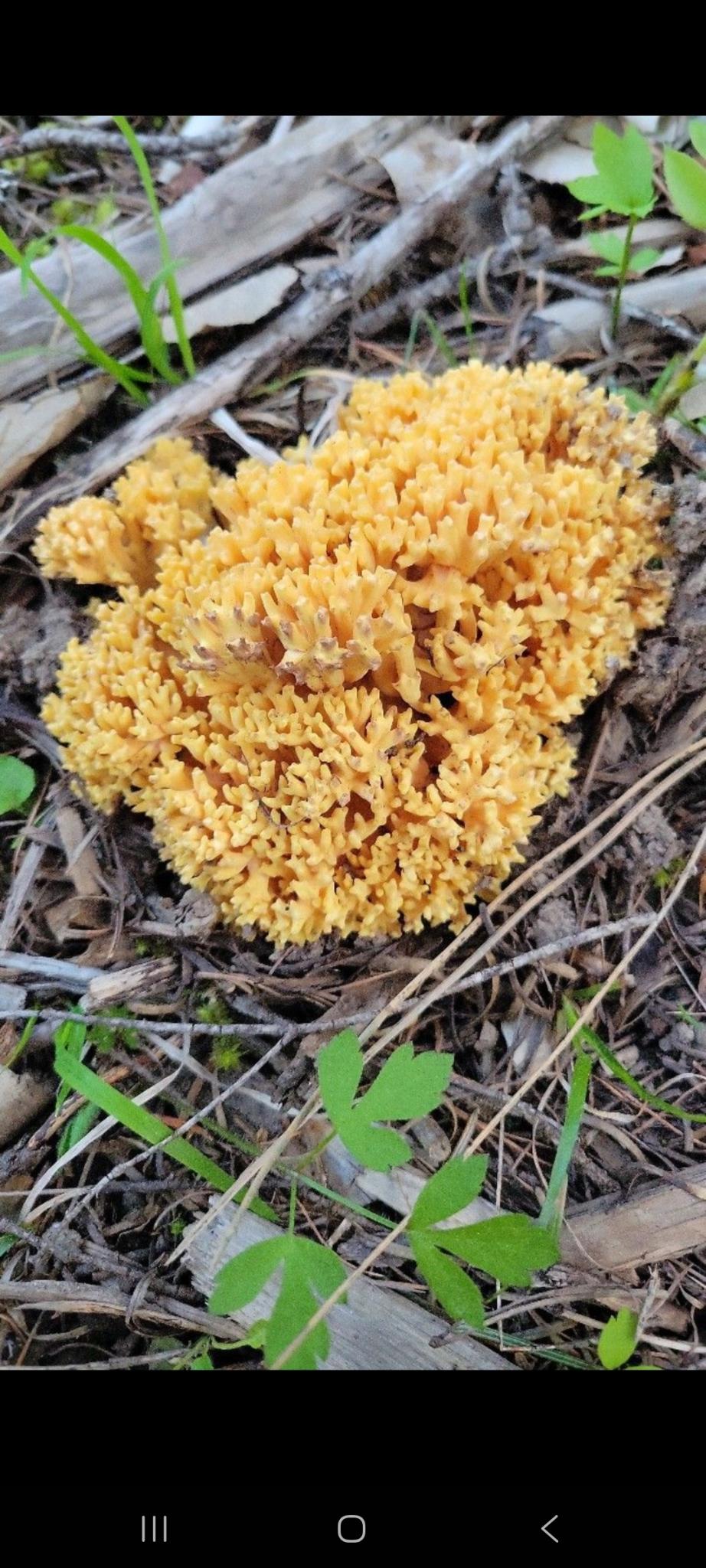
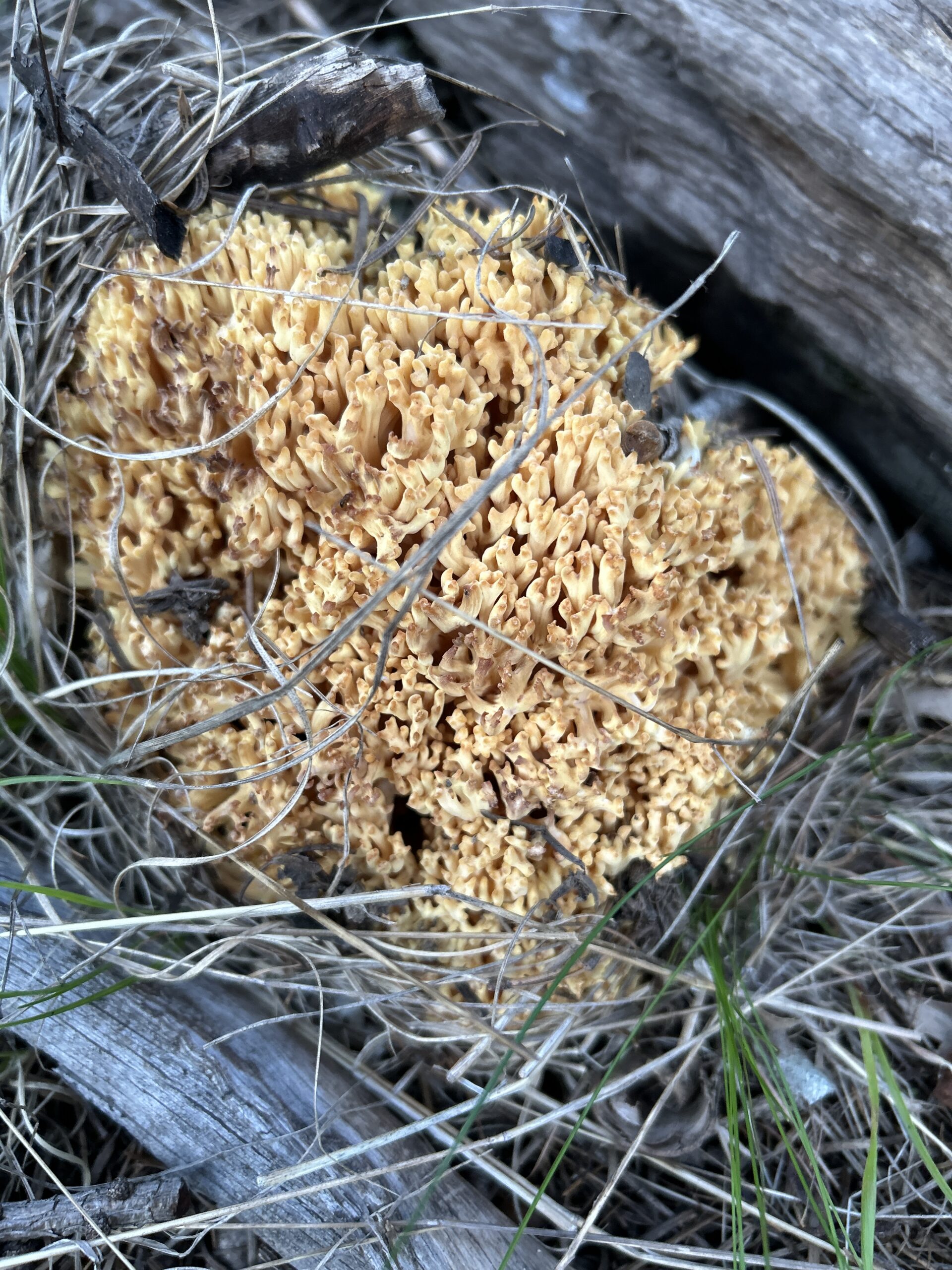
Branching like its namesake, coral mushroom appears against rotting logs and in the duff of the timber from late summer into fall. We gather only firm, young specimens — the older they get, the softer and more bitter they turn.
There are many coral species and a few will upset the stomach, so positive ID matters before any goes in the pan.
Good in the kitchen
Mild, faintly peppery flavor
Holds its texture in soups & sautés
Best young, firm & pale-tipped
Caution — Some corals are laxative; know your exact species and start with a small taste.
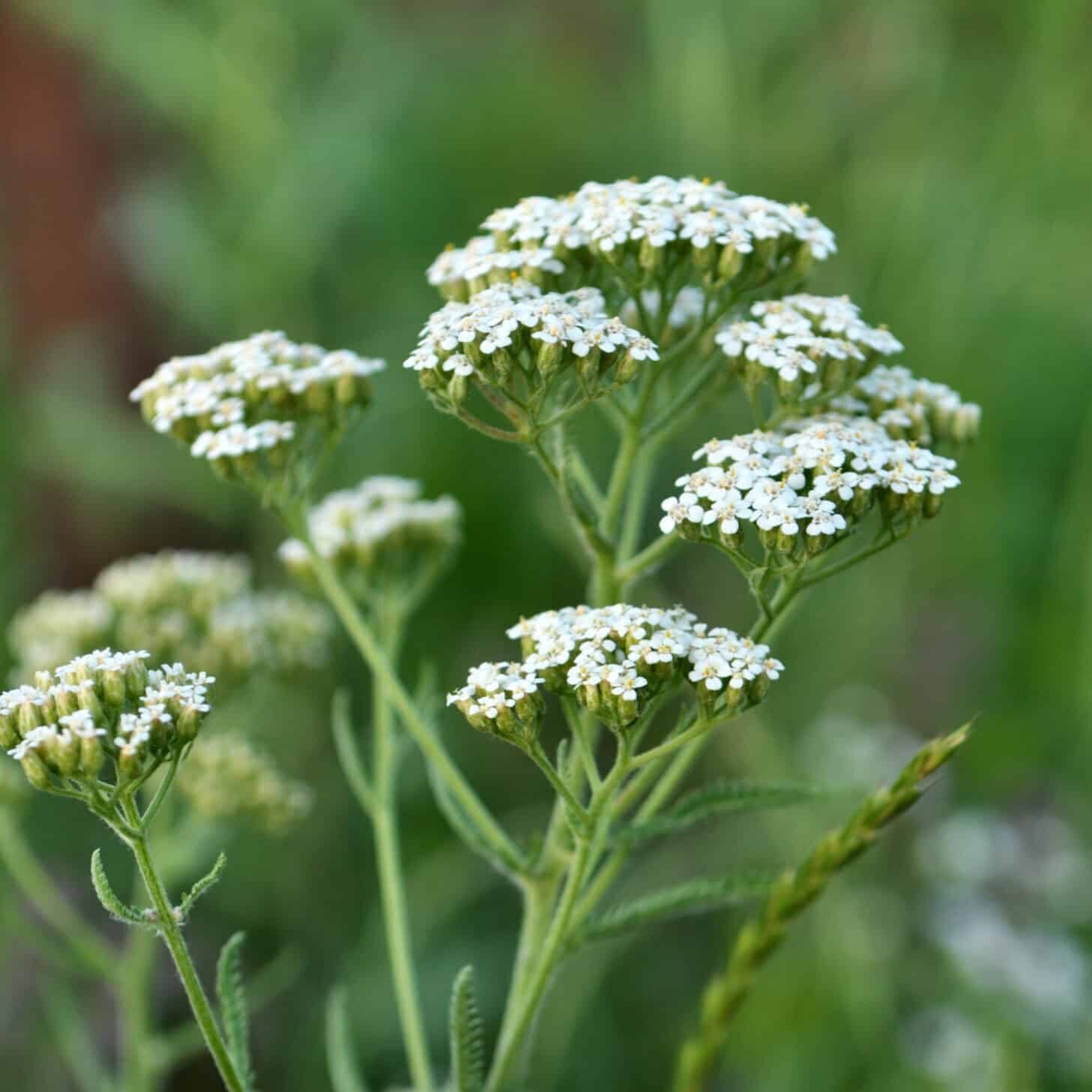
A meadow staple with feathery leaves and flat white flower heads, yarrow grows along our field edges all summer. We gather the flowering tops on a dry morning and hang them to dry for tea and salve.
Long called the soldier's herb, it's one of the first plants we reach for when someone takes a spill outside.
What it's good for
Slowing & staunching bleeding
Breaking a fever & easing colds
Washing & calming minor wounds
Caution — Avoid in pregnancy; some find the fresh plant irritating to the skin.
Nettle comes up thick in the moist, shaded ground near the creek each spring. We harvest the young tops with gloves on — the sting vanishes the moment it's cooked or dried.
It's the first wild green of our year and one of the most nourishing, going into soups, teas, and broths.
What it's good for
A mineral-rich spring tonic
Supporting seasonal allergies
Nourishing teas, soups & broths
Caution — Wear gloves to harvest; gather young, before it flowers.